ZachXBT just compared crypto KOLs to prostitutes, and the industry lost its mind.
He’s not wrong about the symptom. Influencers shilling 15 to 30 projects a month without due diligence are a problem (EtherWorld.co). When Crypto Beast facilitated an $ALT token dump that liquidated over $11 million from retail investors through 45 connected wallets, that’s not marketing, that’s fraud (CryptoRank). When Yelo, a former Fortnite pro turned crypto KOL, gets indicted for money laundering with a potential 30-year sentence, the trust issue becomes existential (RootData).
But here’s what ZachXBT missed: most Web3 projects have nothing worth promoting in the first place.
You can’t fix influencer trust without fixing what founders ask influencers to promote. The structural problem isn’t that KOLs take money to shill garbage. It’s that most Web3 projects have no organic story, no real traction, and no messaging clarity, so they default to paid reach as a substitute for substance.
If you’ve already burned budget on KOL deals that flopped, this is why.

The Real Problem: You’re Buying Reach for a Product Nobody Understands
Most founders approach influencer marketing backwards.
They build a product, skip the hard work of messaging and community building vs paid promotion, then throw money at someone with 100K followers hoping attention converts to users. It doesn’t. Because reach without resonance is just noise.
Here’s the pattern I’ve seen across dozens of Web3 projects: the team has no clear value proposition, no content strategy, and no organic engagement. So they pay a KOL to post once, maybe twice. The KOL’s audience scrolls past it because it sounds like every other token launch. No one clicks. No one converts. The founder blames the influencer.
But the influencer was never the problem. Your crypto project messaging was.
ZachXBT distinguishes “higher quality” KOLs who only take three to five partnerships annually to protect their reputation (EtherWorld.co). Those KOLs say no to most projects. Not because they’re picky for the sake of it, but because most projects can’t articulate why anyone should care. If you can’t explain your value in one sentence without jargon, no amount of paid promotion will save you.
The founders who succeed with influencer marketing already have organic traction. They have users who talk about the product without being paid. They have content that performs without promotion. They have a story that spreads because it’s actually interesting.
That’s what you should be building first.

What Actually Works: Build the Foundation Before You Buy Attention
Stop treating influencer marketing as a distribution strategy. Start treating it as amplification of something that already works.
Here’s the sequence that actually converts: you build a product, you test messaging with your early users, you create content that resonates organically, you iterate based on what performs, and only then do you bring in paid reach to scale what’s already working. Influencers amplify signal. They don’t create it.
I’ve worked with Web3 projects that tried to skip this. They had no Twitter presence, no Discord activity, no content production systems in place, but they wanted to pay a KOL $10K for a thread. It flopped every time. Because the KOL’s audience clicked through to a dead social account and an unclear landing page. No follow-up content. No reason to stay.
Compare that to projects that spent six months building organic engagement first. They had a Web3 content strategy that produced daily value without asking for anything. They had community members who defended the project in replies. They had metrics that showed real usage, not just wallet connections. When they finally paid for influencer posts, those posts converted, because the foundation was already there.
The math is simple: if your organic content gets zero engagement, paid promotion won’t fix it. If your messaging doesn’t resonate with the 500 people who already follow you, it won’t resonate with 50,000 strangers.
Fix the foundation. Then scale it.

The Alternative Path: Organic Strategy That Earns Attention
You don’t need KOLs if you build a Web3 organic marketing strategy that actually works.
Start with specificity. Most Web3 projects talk in abstractions, “decentralized,” “community-driven,” “next-gen infrastructure.” Nobody cares. Tell me what your product does in one sentence with no jargon. If you can’t, your messaging isn’t ready for paid promotion.
Then build content systems that produce value without asking for attention. I’ve seen founders waste hours on one-off posts that disappear in 24 hours. The ones who win automate repetitive tasks and create content production systems that generate daily output. Not because they’re trying to game the algorithm, but because consistency builds trust.
Test everything. Post different angles. Track what resonates. Double down on what works. Most founders guess at what their audience wants. The smart ones let the data tell them.
And here’s the part most people skip: engage with your audience before you ask them to engage with you. Reply to comments. Join conversations in other communities. Show up where your users already are. Influencer marketing alternatives start with being present, not paying for presence.
ZachXBT’s critique reignited debates on transparency, bot-driven influence, and the gap between genuine creators and hype-driven marketing accounts (EtherWorld.co). The community even called him a hypocrite for allegedly accepting upstream resources while criticizing centralization (Binance Square). But the real debate should be about why Web3 projects keep choosing theater over substance.
You can build credibility through specificity. Real numbers. Real tools. Real engagement. Or you can keep paying for reach and wondering why it doesn’t convert.
Stop Paying for Reach You Haven’t Earned
If you’ve burned budget on KOL deals that didn’t work, the problem wasn’t the influencer.
It was the product, the messaging, or the complete absence of organic traction before you tried to scale. Throwing money at reach never works without a foundation of real engagement and clarity about what you’re actually offering.
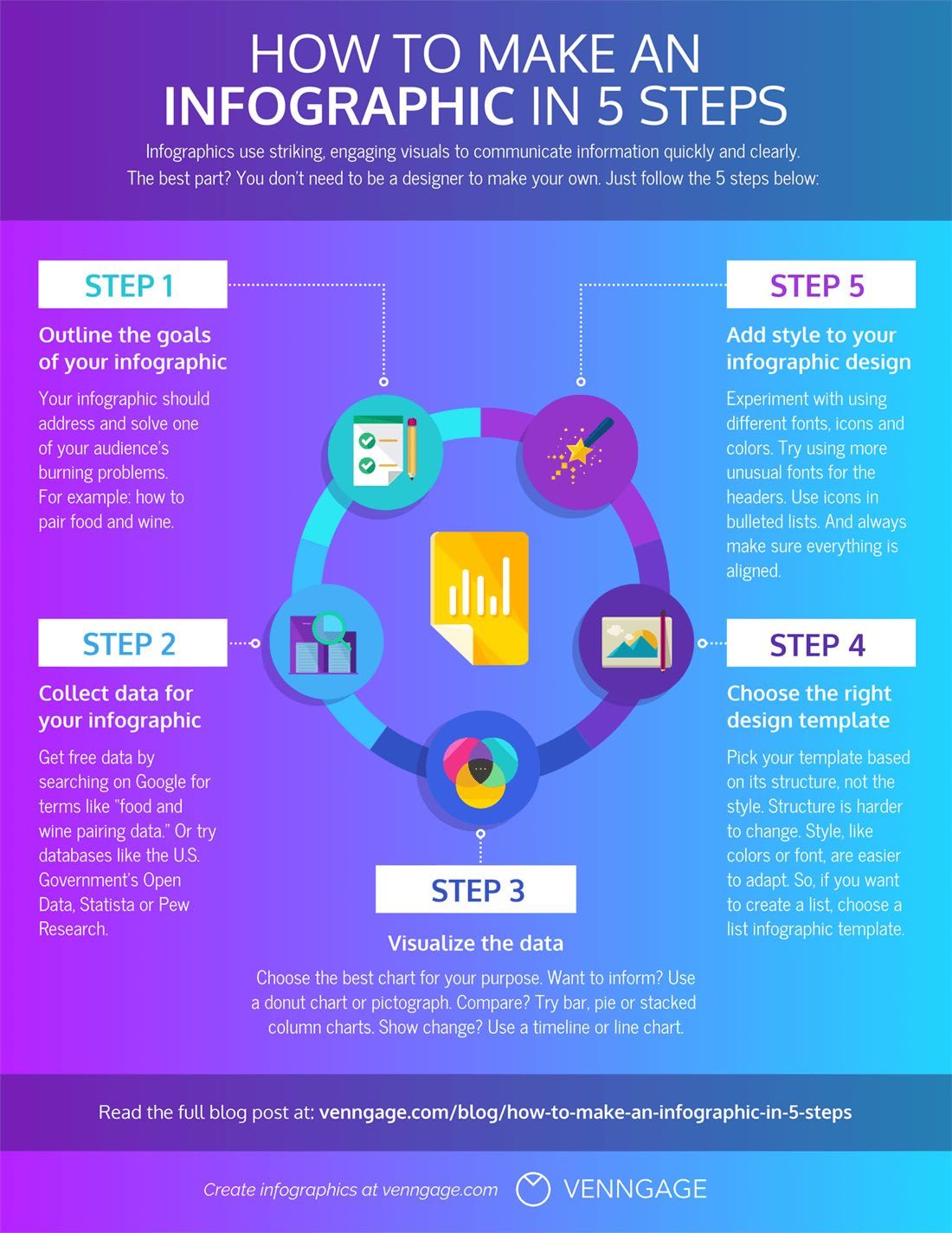
Here’s what to do instead: spend the next 30 days building your organic presence. Test your messaging. Create content that performs without promotion. Build systems that produce value consistently. Track what resonates and iterate fast.
Then, if you still want to work with influencers, you’ll have something worth amplifying.
I offer a free 30-minute consultation where I’ll analyze your social accounts and tell you what actually works, no strings attached. You’ll get a 30-day performance report and actionable insights on where to focus. Book it if you’re tired of guessing and ready to iterate based on real data.
Or keep paying for reach you haven’t earned. Your call.