
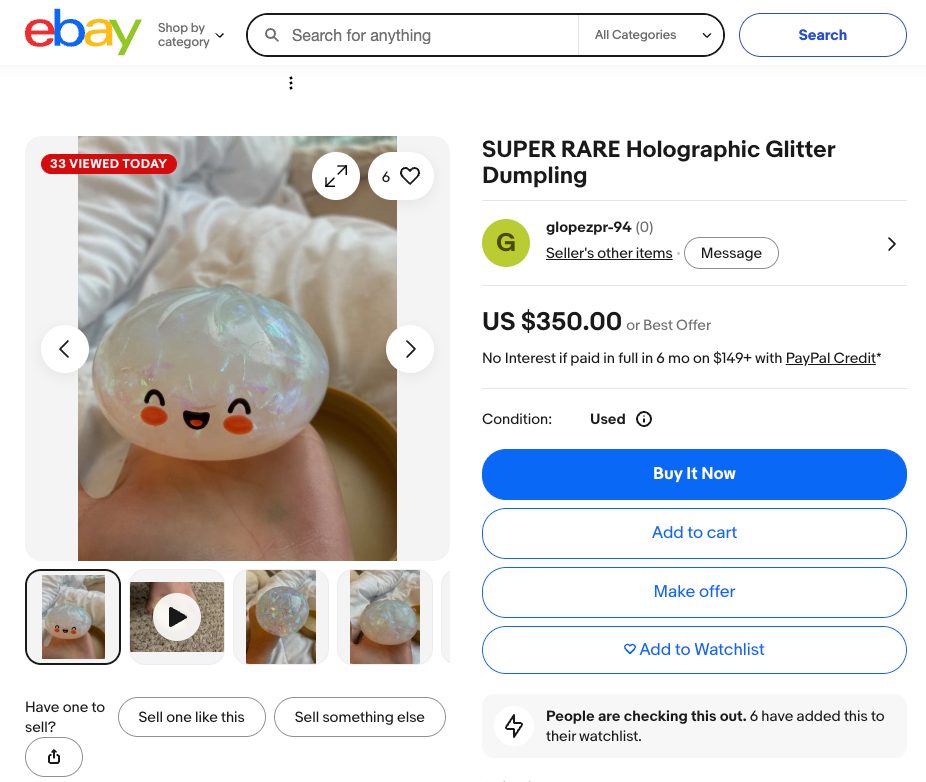
A $5 Toy That Sells for $350 on eBay
There’s a squishy dumpling executing a blind-box marketing strategy so well that it has me trying to reverse-engineer it.
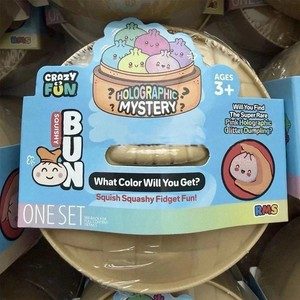
Five Below’s glitter dumpling trend worked because of the loop. You buy, unbox, chase the rare variant, and repeat. This is the same mechanic that drives NFT drops, token-gated merch, and limited sneaker releases. But most projects miss the key ingredients. Here’s what actually made it work and why your “limited edition” thing probably didn’t sell out.
The Blind-Box Loop That Prints Money
Blind-box marketing works because it turns a single purchase into a repeatable behavior. You don’t buy one glitter dumpling. You buy twelve, hoping one has the rare sparkle pattern. TikTok and YouTube unboxing videos amplified this loop into a self-sustaining content engine (YouTube / Hannah Alonzo). Every unboxing was free advertising, and every disappointed reveal drove another purchase. The product became secondary to the chase.
Web3 projects try to replicate this with randomized NFT traits or mystery box drops. Most fail because they forget the core rule, which is that the base product has to be cheap enough to buy multiple times without regret. A $5 impulse buy is frictionless, but a $50 NFT mint is not.
If your floor price creates hesitation, the loop breaks before it starts.
The second mistake is making rarity too rare. Glitter dumplings had enough variants to feel achievable, so you could realistically collect the set with a reasonable budget. Compare that to NFT projects with 10,000 editions and one ultra-rare trait at 0.01% odds. That feels like a lottery ticket, and not like a collectible strategy.
People don’t chase what feels impossible.
Turning Hype Into Resale Value
Scarcity only works if people believe the window is closing. Glitter dumplings spiked from $6 to $45 on secondary markets because supply couldn’t keep up with viral demand (Amiibo Doctor). The product wasn’t artificially scarce. It was genuinely hard to find, and that’s the difference between real FOMO and manufactured theater.
eBay listings hit $100 for certain variants, and sellers started flipping full cartons for over $100. This became part of the product’s marketing ecosystem, because resale prices validated the hunt. And if you’re launching something with scarcity mechanics, you need to seed the secondary market early. Let people flip, let prices float and you’ve got social proof.
Sadly, most Web3 projects do the opposite.
They panic when floor price drops or try to control resale through royalties and lockups, which kills liquidity and makes the product feel illiquid. Glitter dumplings succeeded because Five Below didn’t try to own the resale market. They let the community build it on accessible channels to everyone, like eBay.
Viral Product Launch Tactics
The glitter dumpling launch didn’t rely on paid ads or influencer partnerships. It scaled through user-generated content. The product combined blind-box collecting with fidget-toy appeal, two categories that were already trending, so dumplings saw a great market fit into an existing behavior pattern instead of trying to create a new one.
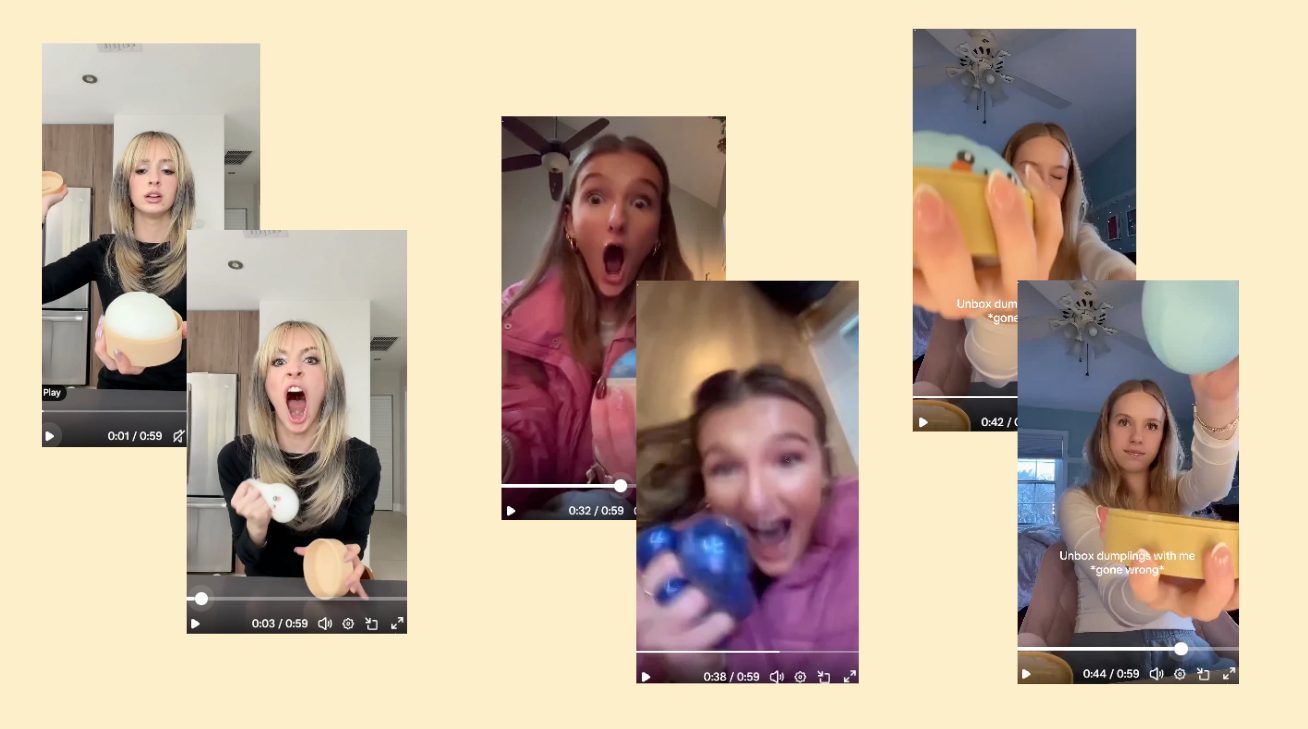
Buyers also ranged across age groups, not just kids. That’s collectible product marketing done right, because if your product only appeals to one narrow demo, it won’t go viral. You need crossover appeal and a reason for people to share the unboxing moment.
Web3 founders often skip this step. They build for crypto-natives and wonder why adoption stalls, but glitter dumplings worked because anyone could participate withouth dealing with the wonders of setting up a setup.
They just walk into Five Below and buy the thing.
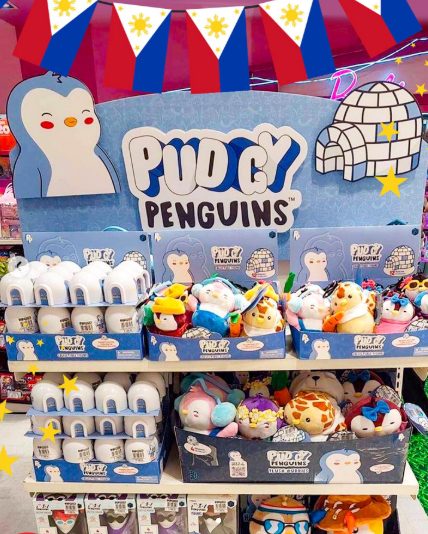
Maybe Pudgy Penguins could do something like this since they have access to retail stores?
Bringing this to Web3
FOMO marketing mechanics fail when the scarcity feels arbitrary. Glitter dumplings were scarce because stores sold out and NFT drops are scarce because the smart contract says so. One feels earned, and the other feels artificial, or even gated.
So if you’re launching a product with artificial scarcity, you need to give people a reason to believe the limit matters. Countdown timers and “only X left” copy don’t work anymore because people see through it.
The other mistake is forgetting that FOMO needs a release valve. Glitter dumplings let you keep buying until you got the variant you wanted, but most NFT projects mint out in ten minutes, lock the door, and leave latecomers with nothing but regret.
We’ve all seen how that plays out.
Build the Loop
If you’re launching something with scarcity mechanics, ask yourself these questions:
-
Can someone buy it multiple times without feeling stupid?
-
Does the resale market validate the chase?
-
Is the unboxing moment worth filming?
If the answer to any of those is no, then what you have is a one-time sale with extra steps.
Glitter dumplings worked because the loop was frictionless, the scarcity was real, and the content wrote itself.
I believe Web3 projects can learn from that and translate it into a digital or IRL experience that feels right.
Need help building a product launch that moves? My DMs open, I’ll tell you what’s broken.